
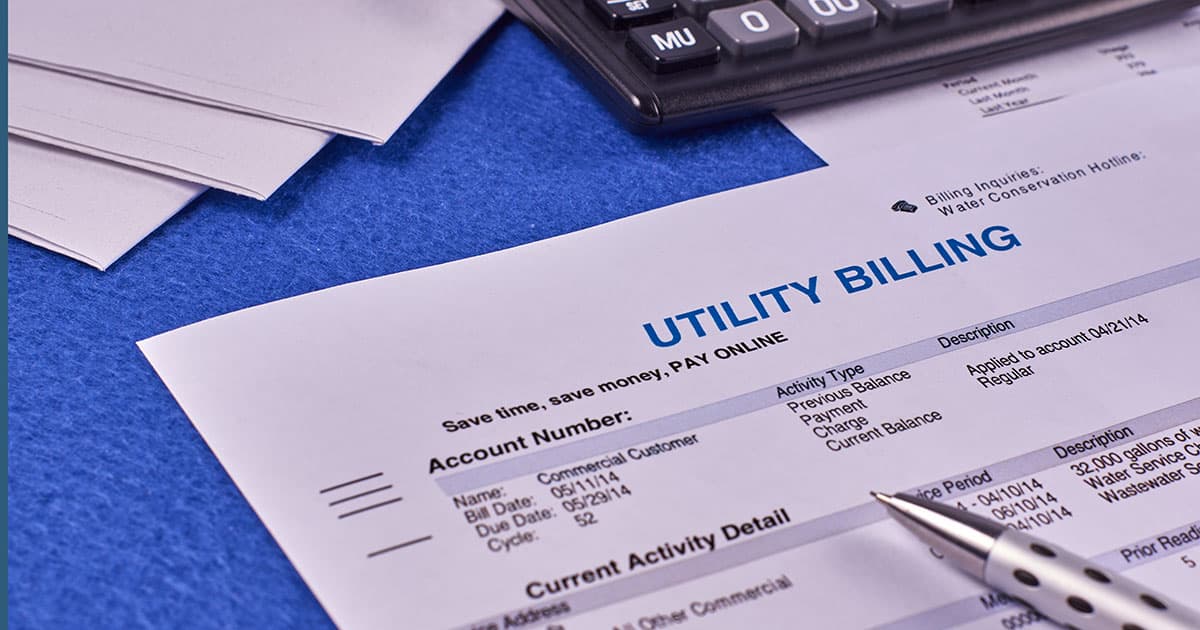
If you are asking why you are paying both your utility bill and your solar payment, you are not alone. This is one of the most common frustrations homeowners run into after going solar.
Many people were told solar would dramatically reduce their electric bill, cover most of their usage, or even make their utility bill disappear. Then the system goes live and the math does not feel right. The solar loan, lease, or PPA payment is there every month, and the utility bill is still showing up too.
That does not always mean something is wrong with the system itself. Sometimes it means the agreement was misunderstood. Sometimes the savings were oversold. Sometimes the billing setup was never explained clearly in the first place.
Compare your total cost, not just one bill
The useful comparison is your utility cost before solar versus your utility bill plus your solar payment afterward. Keep the billing periods together and compare similar seasons.
| Item | Before solar | After solar |
|---|---|---|
| Utility bill | $200 | $70 |
| Solar payment | $0 | $160 |
| Combined monthly cost | $200 | $230 |
In this example, the utility bill fell by $130, but the $160 solar payment puts the combined cost $30 above the previous bill. These invented numbers demonstrate the comparison only. Your bills, usage, rates, credits, and contract determine your own result.
A practical order for checking the difference
- Match the dates. Put the utility statement and solar statement for the same period side by side.
- Compare electricity use and production. Keep the utility usage, monitoring record, and original production estimate together.
- Separate charges from credits. Identify grid charges, fixed charges, exported-energy credits, and any annual reconciliation.
- Compare the payment to the proposal. Mark any change in the loan payment, lease payment, or PPA rate.
- Document the mismatch. Save the actual figures beside the written savings promise before requesting a review.
Use the solar contract document checklist to organize the records. If the proposal is the concern, continue with what to review when solar savings were misrepresented.
In This Article
- Why Two Bills Can Happen
- Your Solar Payment and Your Utility Bill Are Not the Same Thing
- Net Metering and Bill Credits Do Not Always Work the Way Homeowners Expect
- Why Your Utility Bill May Still Be High
- When Two Bills Can Be a Sign of a Bigger Problem
- What to Review in Your Documents
- What to Do Next
- Frequently Asked Questions
Why Two Bills Can Happen
Going solar does not automatically replace your utility bill with one all-in solar payment. In many setups, the solar payment and the utility bill are two different things.
The solar payment usually goes to a lender or provider because you financed the system, signed a lease, or entered into a power purchase agreement. The utility bill still comes from your electric company because your home may still use grid electricity at certain times, and billing credits do not always offset usage the way homeowners expect.
That means it is possible to have a solar agreement and still owe money to the utility every month.
Your Solar Payment and Your Utility Bill Are Not the Same Thing
This is the part many homeowners were never clearly told.
A solar loan payment is debt service. It is the amount you owe for financing the solar system. A lease or PPA payment is also separate from the utility bill. It is the amount owed under that agreement.
Your utility bill, on the other hand, reflects your relationship with the power company. If your home draws electricity from the grid, uses power at night, uses more than the system produces, or receives credits in a way that does not fully cancel out the charges, you can still owe the utility.
So the existence of two bills by itself does not prove misconduct, but it often reveals that expectations were not aligned with reality.
Net Metering and Bill Credits Do Not Always Work the Way Homeowners Expect
One major reason homeowners still see a utility bill is that net metering, bill credits, and utility compensation policies vary by state and utility. The U.S. Department of Energy explains that whether a solar system qualifies for net metering payments depends on state rules and utility practices, and that the way bill credits work is not always simple. Homeowner’s Guide to Solar
In other words, even if your system is producing energy, that does not guarantee a one-to-one bill offset every month.
That is especially important if someone told you solar would completely eliminate your electric bill without explaining seasonal changes, rate structures, or utility billing design.
Why Your Utility Bill May Still Be High
There are several reasons a homeowner may still have a noticeable utility bill after going solar:
- the system does not produce enough power to cover total usage
- the home uses more electricity than projected
- usage patterns shifted, such as more evening or summer demand
- bill credits do not offset charges the way the sales pitch implied
- the system is underperforming or not operating correctly
- fees, minimum charges, or time-of-use rates still apply
Sometimes the issue is technical. Sometimes it is financial. Sometimes it is a sales problem from the beginning.
When Two Bills Can Be a Sign of a Bigger Problem
If you were told your solar payment would be lower than your old electric bill, or that the utility bill would basically disappear, and that is not what happened, the problem may be bigger than normal utility billing.
The CFPB said in 2024 that some solar lenders and marketers misrepresented expected savings and used confusing terms in residential solar financing. That matters because a homeowner can end up locked into a loan or agreement based on numbers that never had a realistic chance of playing out the way they were sold. CFPB report on solar financing
If your payment structure, projected savings, or utility-bill expectations were not explained honestly, it may be worth reviewing the full agreement and the sales materials more closely.
If you want to understand how that review process works, start with How It Works.
What to Review in Your Documents
If you are trying to understand why you are paying both, gather and review:
- the full solar contract
- the loan, lease, or PPA agreement
- the original savings proposal
- recent utility bills
- recent solar payment statements
- emails, texts, and messages from the sales process
Look for what was promised, what the proposal estimated, and whether the agreement actually supports those expectations.
If financing is becoming part of the problem, you may also want to read What Happens If You Stop Paying a Solar Loan?.
If you are still trying to figure out whether the agreement may be cancelable, read Can You Cancel a Solar Contract After Signing?.
What to Do Next
If you are paying both your utility bill and your solar payment, do not assume that means you are just stuck with it and have no questions worth asking. It may be normal in some setups, but it can also be a sign that the deal was oversimplified, oversold, or never fully explained.
Ask yourself:
- What exactly was I promised about my future electric bill?
- Does the contract match the sales pitch?
- Is the system producing as expected?
- Do my utility bills and payment statements tell the same story as the proposal?
If your solar agreement is causing more stress than savings, review the FAQ and then use the contact page to start your review.
Frequently Asked Questions
Why do I still have an electric bill after going solar?
You may still draw power from the grid, receive bill credits that do not fully offset charges, or have system output that falls short of what was projected or promised.
Is it normal to have both a solar payment and a utility bill?
It can be. The solar payment and the utility bill are often separate obligations. But if the arrangement was sold as if one would replace the other, that may need closer review.
Does net metering eliminate the utility bill?
Not always. Net metering and bill credits depend on state and utility rules, and they do not always work the way homeowners expect.
What if my savings were overstated?
If the proposal or sales pitch made the savings look much better than reality, that may be a sign the agreement and financing need closer review.
What documents should I gather?
Start with the contract, financing paperwork, sales proposal, utility bills, solar payment statements, and any emails or texts tied to the sale.