

If you are wondering what happens if you stop paying a solar loan, the short answer is that the consequences can build quickly. Missed payments may lead to late fees, credit damage, collection activity, default, and, depending on the loan terms and the lender’s actions, even legal trouble.
That does not mean every situation unfolds the same way. Some homeowners miss one payment and catch up. Others fall behind because the solar savings they were promised never showed up, the monthly payment is higher than expected, or they are now paying both the loan and the utility bill. If that sounds familiar, the smartest move is to understand the risks before deciding to stop paying.
In This Article
- Missing One Payment vs. Stopping Payment Altogether
- What Usually Happens First
- How a Solar Loan Can Affect Your Credit
- When a Late Account Becomes Default
- Collections and Legal Risk
- Why Homeowners Start Thinking About Stopping Payment
- What to Do Before You Stop Paying
- What Documents You Should Gather
- What to Do Next
- Frequently Asked Questions
Missing One Payment vs. Stopping Payment Altogether
There is a big difference between missing one payment and deciding to stop paying altogether.
One missed payment may trigger a late fee and put you at risk of credit reporting if it remains unpaid long enough. Repeated missed payments are where things usually escalate. That is when lenders may begin treating the account as seriously delinquent, report the loan negatively, transfer it to collections, or declare the account in default.
In other words, this is not usually an all-or-nothing event on day one. The damage tends to grow over time.
What Usually Happens First
If you stop paying a solar loan, the first consequences often include:
- late fees or penalty charges
- past-due notices from the lender
- collection calls, emails, or letters
- negative reporting if the delinquency continues
At first, the lender may simply try to get you current. But once payments continue to be missed, the account may move into a more serious stage.
How a Solar Loan Can Affect Your Credit
For many homeowners, this is the biggest concern. Missed payments, defaults, and other negative account history can show up on your credit report. That can make future borrowing more difficult and can affect rates, approvals, or refinancing opportunities.
If the account is reported negatively, that damage can last long after the immediate payment issue is over. This is one reason it is important not to treat “just stop paying” as a casual decision.
If you also think the lender or servicer reported something inaccurately, that is a separate issue worth documenting carefully.
When a Late Account Becomes Default
Default does not always happen after one missed payment. It depends on the loan agreement and lender practices. But if you stay behind long enough, the lender may eventually treat the account as defaulted.
Once that happens, the consequences can become more serious. Depending on the agreement, default may trigger:
- acceleration of the balance
- collection activity
- additional fees
- possible legal action
This is one reason the written loan agreement matters so much. The contract often spells out what counts as default and what rights the lender claims once it happens.
Collections and Legal Risk
If a solar loan goes far enough unpaid, the lender may keep the account in-house, place it with a collector, or sell it to a debt buyer. At that point, collection pressure can increase.
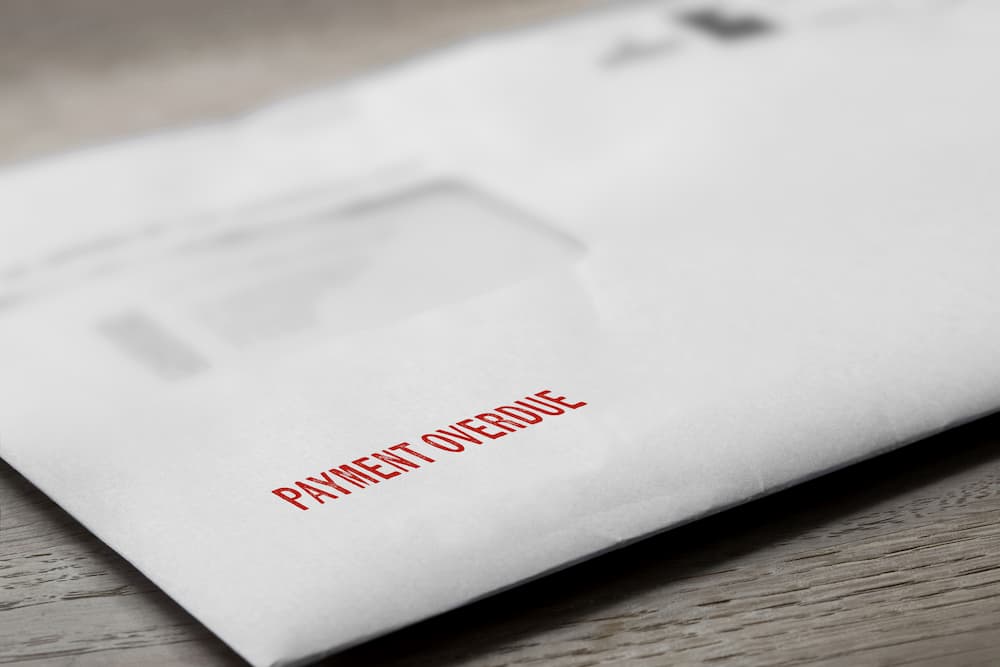
That does not mean every unpaid solar loan turns into a lawsuit, but legal risk is one of the possible outcomes. Collection practices are also governed by consumer protection rules, which means homeowners should document what they receive and how collectors communicate.
If the situation has reached this stage, it becomes even more important to understand both the payment history and the underlying agreement.
Why Homeowners Start Thinking About Stopping Payment
In a lot of cases, homeowners do not start here. They get here after weeks or months of frustration.
Common reasons include:
- the utility bill did not go away
- the monthly payment is higher than expected
- the promised savings were overstated
- the financing terms were not clearly explained
- the agreement is now creating home sale or refinance problems
If that sounds like your situation, it is worth stepping back and reviewing whether the problem is simply affordability, or whether the bigger issue is that the deal itself may have been confusing, misleading, or misrepresented.
If you are dealing with both a loan payment and an ongoing utility bill, you may also want to read Why Am I Paying Both My Utility Bill and My Solar Payment?.
What to Do Before You Stop Paying
Before making a decision, take these steps first:
- review the loan agreement
- check the delinquency and default language
- look at your current payment status
- gather every proposal, estimate, and financing document tied to the sale
- save all emails, texts, and messages from the installer, lender, or salesperson
If you have not already done so, review How It Works so you understand the basic process of reviewing a problematic solar agreement.
This is also the point where many homeowners realize the issue is bigger than a late payment. It may be a contract problem, a misrepresentation issue, or a financing issue that needs a closer look.
What Documents You Should Gather
Before you do anything else, gather:
- the full solar loan agreement
- the main solar contract or installation agreement
- payment statements from the lender
- utility bills before and after installation
- sales proposals and savings estimates
- emails, texts, and notes from the sales process
If you want a broader checklist, see FAQ for common questions homeowners ask before starting a review.
What to Do Next
If you are thinking about stopping payment on a solar loan, the smartest first move is not guessing. It is understanding the agreement, the payment status, the lender’s rights under the contract, and the reasons the loan became a problem in the first place.
Ask yourself:
- Am I behind because of temporary cash flow, or because the deal never made sense?
- What does the loan say about late payments and default?
- What was I promised about savings and affordability?
- What has actually happened since installation?
If your solar agreement is creating more stress than savings, use the contact page to start your review.
Frequently Asked Questions
What happens if you stop paying a solar loan?
You may face late fees, negative credit reporting, collection activity, default, and possibly legal action depending on the agreement and how long the account remains unpaid.
Will a missed solar loan payment hurt my credit?
It can. Continued delinquency, default, or other negative account history may be reported and can affect your credit profile.
Can a lender send a solar loan to collections?
Yes. If the account remains unpaid long enough, the lender may place it with a collector or transfer it to a debt buyer.
Should I stop paying if the solar savings were misrepresented?
That is not a decision to make casually. If the deal was sold in a misleading way, the better first move is to review the agreement, gather the documents, and understand the risks before deciding how to proceed.
What should I gather before reviewing a solar loan problem?
Start with the loan agreement, the main solar contract, payment history, utility bills, proposals, and any communication tied to the sale.