

If you are asking whether you can cancel a solar contract after signing, the honest answer is: sometimes, but it depends on the timing, how the sale happened, what the agreement says, and what you were told before you signed.
Some homeowners sign up for solar expecting lower bills, clear savings, and a simple process. Then reality hits. The utility bill does not disappear. The loan payment is higher than expected. The contract is harder to understand than it seemed during the sales pitch. At that point, the question becomes less about solar in general and more about whether there is a real path out of the agreement.
In This Article
- There Is No One-Size-Fits-All Cancellation Rule
- The First Thing to Check Is Timing
- What Matters After the Initial Cancellation Window
- Why Reviewing the Actual Agreement Matters
- What You Should Gather Before You Do Anything Else
- Do Not Confuse Regret With No Options
- What to Do Next
- Frequently Asked Questions
There Is No One-Size-Fits-All Cancellation Rule
Solar contracts are not all the same. Some are loans. Some are leases. Some are PPAs, or power purchase agreements. Some were signed in the home after a door-to-door pitch. Others were signed electronically after multiple follow-ups. Because of that, cancellation rights can vary significantly from one situation to another.
That is why it is important not to assume that signing means you are automatically stuck forever, but also not to assume that every contract can be canceled easily just because you changed your mind.
The First Thing to Check Is Timing
In some situations, there may be a short cancellation window right after signing. This is especially important if the sale happened at your home or through a door-to-door sales process. Under the FTC’s Cooling-Off Rule, certain sales made in your home or at temporary locations may come with a three-business-day right to cancel, but not all transactions qualify. That is why the details matter.
If you signed very recently, act quickly. Look for:
- Any notice of cancellation in the contract packet
- Language about rescission, cancellation, or right to cancel
- The exact date you signed
- Whether the sale happened in your home
If the short cancellation period has already passed, that does not necessarily mean the agreement cannot be challenged or reviewed. It just means the conversation shifts from a simple cancellation window to broader contract and sales issues.
What Matters After the Initial Cancellation Window
Once the early cancellation period is gone, the key question becomes whether there are other problems with the agreement or the sales process.
Examples include:
- You were told the solar system would eliminate or nearly eliminate your utility bill, but that did not happen
- You were not clearly told about a loan, lease, or PPA structure
- The financing terms were confusing or misrepresented
- You were pressured to sign quickly
- The written agreement does not match what was promised verbally
- You are now dealing with unexpected costs, higher payments, or home sale complications
These are the kinds of issues that make a contract worth reviewing closely. If you want a clearer sense of what that process looks like, visit How It Works.
Why Reviewing the Actual Agreement Matters
Many homeowners understandably focus on what the sales rep said. That matters, but the written agreement matters too. The contract may include:
- Cancellation language
- Installation milestones
- Financing obligations
- Transfer terms
- Default provisions
- Arbitration clauses
Sometimes the problem is obvious once the paperwork is reviewed. Other times the issue is the gap between the written terms and the way the deal was sold.
This is one reason it is so important to slow down and review both the paperwork and the sales promises carefully.
What You Should Gather Before You Do Anything Else
Before making a decision, gather the documents tied to the sale and the system. That usually includes:
- The full solar agreement
- Any financing paperwork
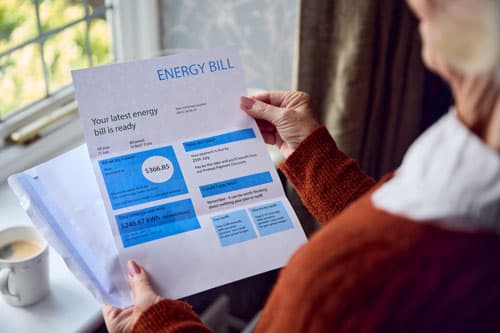
- Utility statements before and after installation
- Emails, texts, and sales messages
- Proposals or savings estimates
- Any notices you received after signing
The more complete the paper trail, the easier it is to understand what happened. If you want help thinking through the basics, the FAQ covers some of the most common questions homeowners ask before starting a review.
Do Not Confuse Regret With No Options
Some homeowners assume that once they sign, there is nothing to review unless the system completely fails. That is not always true. A contract can still raise serious concerns even if panels were installed, especially when the financing, disclosures, or sales representations do not line up with what actually happened.
That said, it is important to be realistic. Some situations may involve a straightforward cancellation opportunity, while others may require a deeper review of the agreement, the timeline, and the sales process.
What to Do Next
If you are asking whether you can cancel a solar contract after signing, the best next step is not guessing. It is reviewing the agreement carefully and looking at the facts.
Start with these questions:
- How long ago did I sign?
- Did the sale happen at my home?
- What does the contract say about cancellation?
- What was I promised before signing?
- What is actually happening now with my bills and payments?
If your solar agreement is causing more stress than savings, a review can help you understand whether you may still have options and what the next step should be. If you are ready to move forward, use the contact page to start your review.
Frequently Asked Questions
Can you cancel a solar contract after signing?
Sometimes. It depends on how recently you signed, how the sale happened, what the contract says, and whether there were issues with the way the agreement was presented or financed.
Is there a three-day cancellation rule for solar contracts?
In some cases, there may be a short cancellation window for sales made in the home or in certain temporary sales settings, but not every transaction qualifies. The details matter.
What if the cancellation period has already passed?
That does not automatically mean there is nothing to review. The agreement, financing terms, and sales process may still need to be examined more closely.
What documents should I gather?
Start with the contract, financing paperwork, utility bills, proposal documents, and any emails or texts connected to the sale.
What if I was told solar would wipe out my electric bill?
If the savings presentation does not match what happened after installation, that is one of the most common reasons a solar agreement may need closer review.